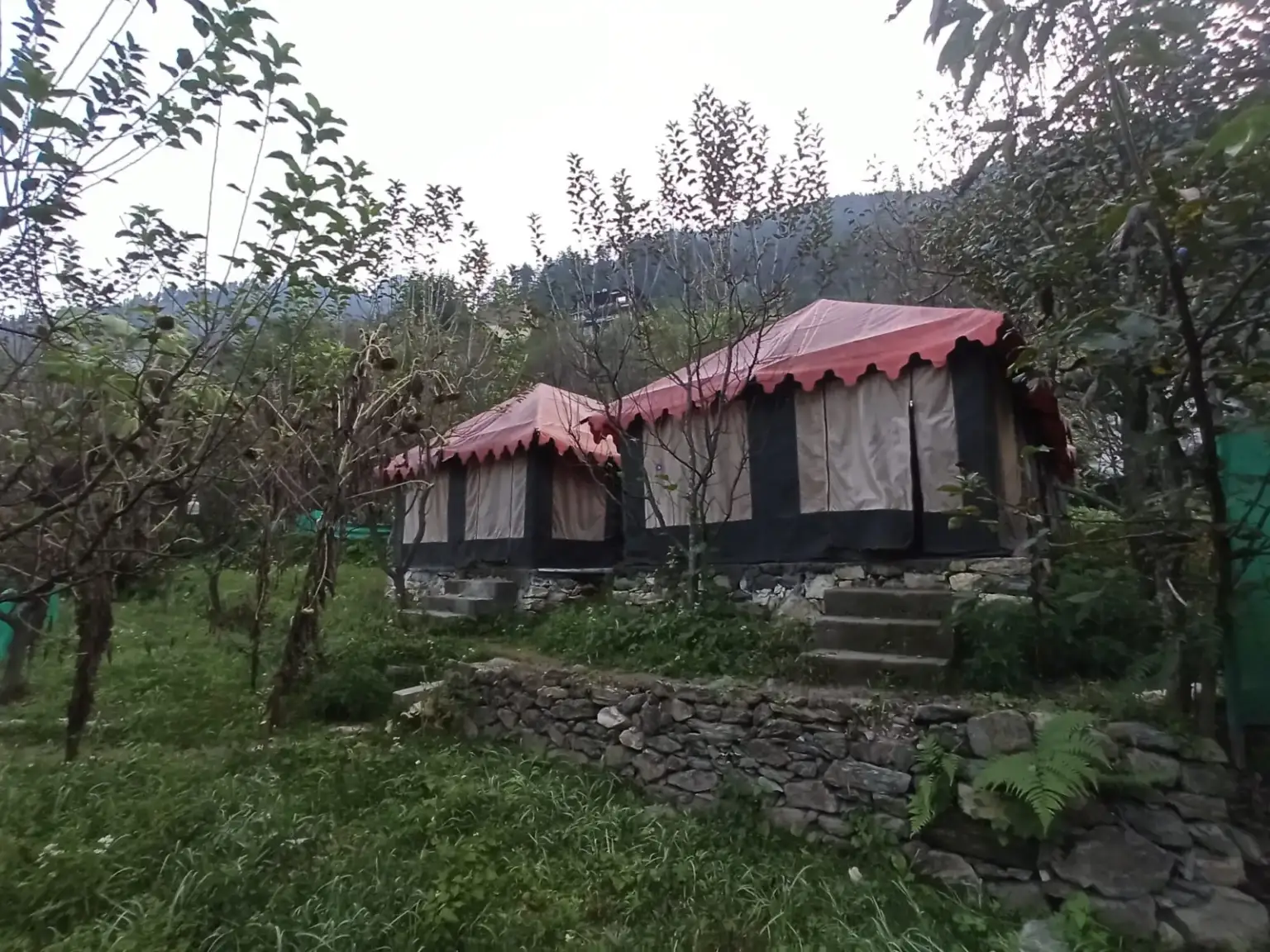
A good Himalayan trek packing list comes down to three things: warm layers you can add and remove, broken-in trekking shoes, and a backpack light enough to carry comfortably all day. Pack for cold mornings and rain even in summer, add extra warm layers in winter, and leave out anything the trek team already provides, such as tents and sleeping bags. Use this checklist, category by category, before your next trek.
Packing quick facts
| Item | Guideline |
|---|---|
| Backpack | 40–60 litres with a hip belt and rain cover, plus a small daypack |
| Warm layers | About 3 in summer, 4 in autumn, 5 or more with thermals in winter |
| Shoes | Trekking shoes with ankle support and good grip, worn in before the trek |
| Must-haves | Rain jacket or poncho, gloves, woollen cap, UV sunglasses, headlamp, water bottles |
| Documents | Original government photo ID plus copies; any forms your operator asks for |
| Usually provided on our treks | Tents, sleeping bags, kitchen gear, trek meals, first-aid kit and oxygen cylinder |
| Good to rent | Padded jacket, trekking poles, microspikes or gaiters for snow |
Clothing: dress in layers
Mountain temperatures swing sharply between a sunny afternoon and a windy evening at camp. Layers let you adjust quickly without carrying one very heavy jacket. Avoid cotton next to your skin; it stays wet with sweat and makes you cold. Choose quick-dry synthetic or wool instead.
Base layer
- 2–3 quick-dry T-shirts (full sleeves protect from sun)
- 1 set of thermal inners (top and bottom), essential in winter
- 2 pairs of trek pants, quick-dry and stretchable; avoid jeans
Warm layers
- 1 fleece jacket
- 1 light sweater or second fleece
- 1 padded or down jacket with a hood
Outer layer
- A waterproof rain jacket or poncho
- Rain pants in the monsoon or for wet snow
Accessories
- Woollen cap that covers the ears, and a sun cap
- Waterproof, insulated gloves plus a thin inner pair in winter
- Buff or neck gaiter
- 3–4 pairs of trekking socks and 1–2 pairs of woollen socks for camp
- UV-protection sunglasses; on snow these are essential to prevent snow blindness
Footwear
- Trekking shoes: ankle support, a firm sole with deep grip, and ideally water resistance. Walk in them for a couple of weeks before the trek to avoid blisters.
- Camp footwear: light floaters or sandals to let your feet breathe at camp.
- Snow add-ons: microspikes and gaiters for snow treks like Kedarkantha. Many operators provide or rent these; check before buying.
Sports shoes and running shoes lack grip and ankle support on steep, wet or snowy trails. Treat proper trekking shoes as the one item you should not compromise on.

Gear
- Backpack: 40–50 litres for short treks, 50–60 litres for longer or winter treks, with padded shoulder straps and a hip belt
- Rain cover for the backpack
- Daypack (20–25 litres) for summit days and if you offload your main bag
- Trekking poles: a pair takes load off your knees on descents
- Headlamp with spare batteries; early summit starts begin in the dark
- Two 1-litre water bottles or a bottle plus a hydration bladder; an insulated bottle helps in winter
- Power bank: charging points are rare on most trails
- Dry bags or plastic bags to keep clothes and electronics dry
- Small toiletries kit: sunscreen (SPF 50), lip balm, toothbrush, biodegradable soap, wet wipes, a quick-dry towel and a hand sanitiser
- Personal cutlery: a steel mug, plate and spoon if your operator asks you to carry your own
- A small bag to carry your waste back down; leave nothing on the mountain
Documents
- Original government photo ID (Aadhaar, driving licence, passport or voter ID) and a photocopy
- A couple of passport-size photographs
- Your booking confirmation and emergency contact details
- Any medical or fitness certificate and disclaimer form your trek operator asks for; many Himalayan operators require one, so check with us before you travel
- Travel insurance details, if you have a policy
- Some cash in small notes; ATMs and card payments are unreliable near trailheads
Permits and forest fees are arranged by the trek operator on most routes. On our treks, forest permits and camping fees are included.
Medicines and first aid
Your trek leader carries a group first-aid kit, but keep a small personal kit too:
- Any regular prescription medicines, with a few days’ extra supply
- Paracetamol or your usual pain reliever
- Motion-sickness tablets for winding mountain drives
- ORS sachets
- Anti-diarrhoea and antacid tablets
- Band-aids, blister plasters, crepe bandage and antiseptic cream
- Cold and allergy tablets
For altitude sickness, speak to your doctor before the trek about whether preventive medicine is right for you. Do not start any medicine on your own. On the trail, drink enough water, climb slowly and tell your trek leader early if you feel a headache, nausea or breathlessness.
Winter vs summer: what changes
| Season | Add or change |
|---|---|
| Winter snow treks (roughly December–April, e.g. Kedarkantha) | Thermals, 5 or more warm layers, a heavy padded jacket, two pairs of gloves, woollen socks, microspikes, gaiters, dark UV sunglasses, insulated bottle |
| Summer and high passes (roughly May–September, e.g. Hampta Pass) | About 3 warm layers, full-sleeve tees and a sun cap for strong sun, sunscreen, rain jacket and pack cover for sudden showers |
| Monsoon treks (e.g. Valley of Flowers, July–September) | Poncho, rain pants, quick-dry everything, extra socks, waterproof bags for every item |
| Autumn (September–November) | About 4 warm layers; nights get very cold even when days are clear |
Whatever the season, a warm jacket and rain protection stay in the bag. Weather in the Himalayas can change within an hour.
What to rent vs what to buy
Buy: trekking shoes that fit you, socks, base layers, gloves, a woollen cap and sunglasses. These are personal, hygiene-related or need a proper fit, and you will use them on every trek.
Rent or borrow: a heavy padded jacket, trekking poles, a large backpack, microspikes and gaiters. These are costly for a first trek and you may not need them again soon. Rental shops are common in base towns like Manali, Rishikesh and Dehradun, and many operators rent gear too.
What our treks provide
You do not need to carry camping equipment on a Mountain’s Greet trek. Our trek inclusions cover:
- Camps or guesthouse stays (twin or triple share)
- All meals on the trek
- A local trek leader, cook and support staff
- Tents, sleeping bags and kitchen gear
- Forest permits and camping fees
- A first-aid kit and oxygen cylinder
Not included: Delhi to base-town travel (we can book it for you), a porter for your personal bag, and travel insurance. If you would rather not carry your full backpack, ask us whether a porter can be arranged on your route.

Trek with Mountain’s Greet
We run treks for solo travellers on group departures, friends, families, college groups and corporate teams, usually starting from Delhi with an overnight Volvo or private vehicles to the base town. Tell us your trek and dates, and we will point out anything extra your route and season need. Explore all our treks on the itinerary page, enquire about a winter trek like Kedarkantha Peak or a summer crossing like the Hampta Pass Trek, or send us a quick question on WhatsApp.
FAQs
How many layers do I need for a Himalayan trek?
Plan on about three warm layers in summer, four in autumn and five or more with thermals in winter. Add a waterproof outer layer in every season.
What size backpack is best for a Himalayan trek?
A 40–50 litre backpack works for short treks, and 50–60 litres suits longer or winter treks. Choose one with a hip belt and a rain cover.
Can I trek in sports shoes?
It is not a good idea. Sports shoes lack ankle support and grip on steep, wet or snowy trails. Proper trekking shoes, broken in before the trek, are safer and more comfortable.
Do I need to carry a tent or sleeping bag?
Not on our treks. Tents, sleeping bags, kitchen gear and meals are included. You only carry your personal clothing, gear and documents.
Should I rent or buy trekking gear?
Buy shoes, socks, base layers, gloves and sunglasses. Rent bulky or occasional-use items like padded jackets, trekking poles, microspikes and gaiters, especially for your first trek.
What documents should I carry on a trek?
Carry an original government photo ID with a copy, passport-size photos, your booking details and emergency contacts, plus any medical certificate or form your trek operator asks for.
More guides

6 Best Treks Near Delhi for Beginners: Weekend to 5-Day Trips
Six beginner-friendly Himalayan treks you can do from Delhi, with how to reach each base, the best season and how hard they really are.
Read the guide →
Kedarkantha Trek Guide: Itinerary, Best Time, Difficulty and Packing
Everything you need for the Kedarkantha trek: getting to Sankri from Delhi, the 5-day route, snow season, difficulty, permits and what to pack.
Read the guide →
Hampta Pass Trek Guide: Manali Route, Chandratal and Best Months
Cross from green Kullu into stark Lahaul on the Hampta Pass trek. Route, Chandratal, best months, difficulty and how to reach Manali.
Read the guide →