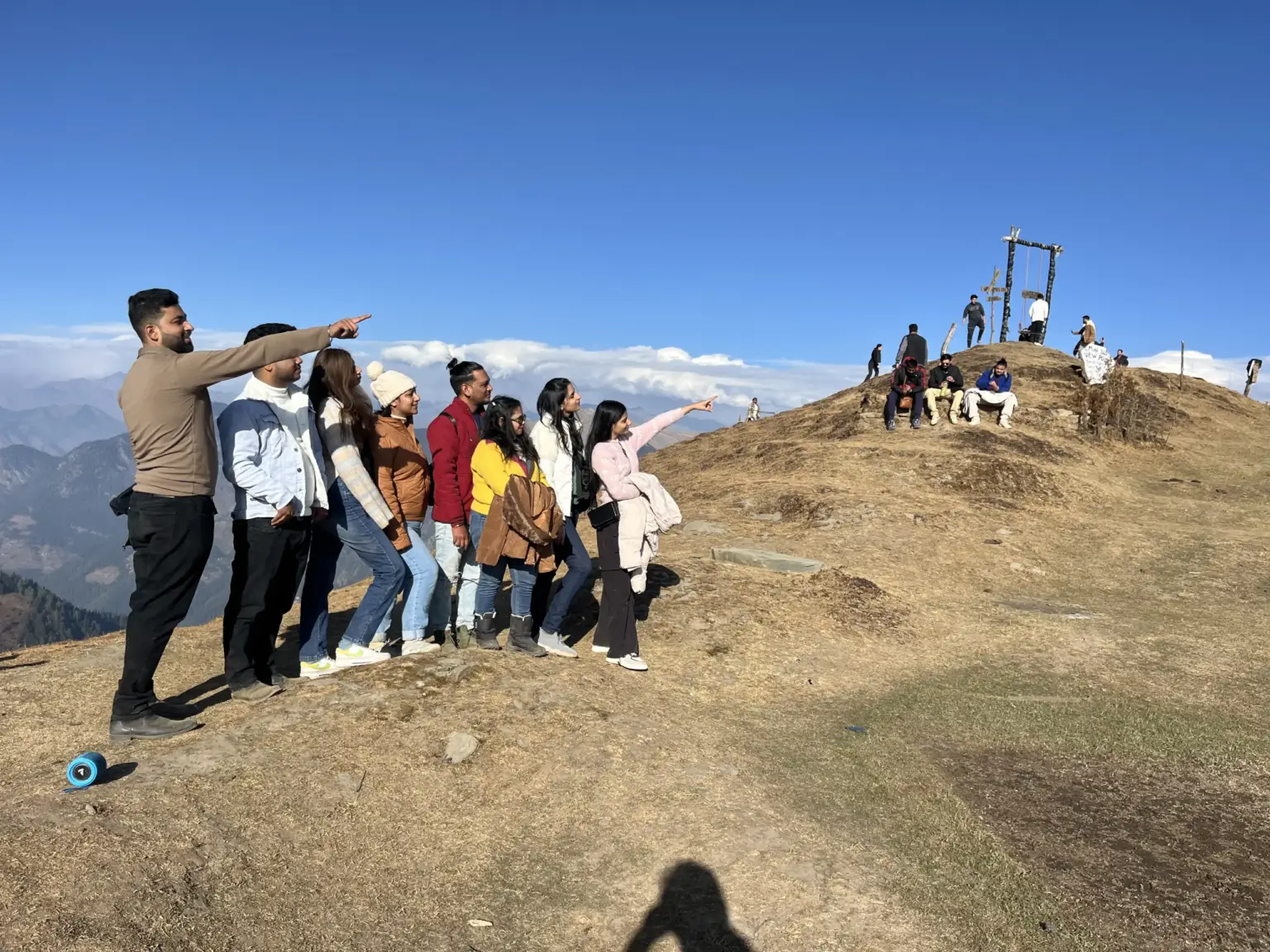
The best group tour packages in India start with three questions: who is in the group, how many of you there are, and how much walking everyone can handle. Answer those, and the destination, vehicles, stays and number of trip leaders almost choose themselves. This guide explains how to plan a Himalayan trip for a college batch, a school, a company offsite, a club or a big group of friends, and how we handle groups of any size, from a single traveller to more than a hundred people.
Himalayan group trip quick facts
| Planning point | What works well |
|---|---|
| Common start | Delhi, with an overnight Volvo or private vehicles to the base town |
| Easy group destinations | Shimla, Manali, Dharamshala / McLeod Ganj, Rishikesh-side treks |
| Beginner treks for groups | Triund, Shali Tibba, Chandrashila, Kedarkantha (winter), Dayara Bugyal |
| Road-trip groups | Spiti Valley, Leh Ladakh (June–September) |
| Transport | Tempo travellers (commonly 12 to 26 seats) or buses on suitable roads |
| Stays | Hotels, homestays and camps, often spread across more than one property for big groups |
| Lead time | Start planning at least 6–8 weeks ahead for large groups, longer for peak season |
| Pricing | Quoted per group, based on size, dates, stays and transport |
Step 1: Match the destination to the group
A destination that thrills ten friends can exhaust a mixed corporate team. Start with the least experienced traveller in the group, not the fittest.
Colleges and university clubs
Students usually want a little adventure on a small budget. Short treks such as Triund (2 days from Dharamkot) or Kedarkantha in the snow (5 days from Sankri) are popular, as are longer trips like the Hampta Pass Trek in summer or a Spiti Valley road trip. Pick dates around the academic calendar: winter break suits snow treks, and summer break suits high passes and Spiti.
Schools
Schools need short drives, secure stays and gentle activity. A Shimla trip with a guided day trek to Shali Tibba, nature walks around Mashobra and Naldehra, or a Dharamshala–McLeod Ganj visit with a guided day hike works well. Follow your school’s own policy on parent consent, staff-to-student ratios and medical forms; we plan around it.
Corporate offsites
Teams want comfort, a bit of adventure and time together. Shimla and Manali combinations, a Manali Getaway with Solang Valley and the Atal Tunnel, or a hotel base near the mountains with an optional easy trek suit most offices. We can look for stays with a space for sessions, bonfire evenings and team activities.
Clubs and interest groups
Photography clubs, riding groups and running clubs often want a theme. Leh Ladakh and Spiti suit riders and photographers; meadow treks like Dayara Bugyal and Chandrashila suit hikers who want big views without technical terrain.
Big friend groups and families
Mixed-age groups do best with a flexible base and optional activities. Choose a road trip or a hill-town stay where the energetic ones can trek or paraglide while others relax.
Pilgrimage and senior groups
For older travellers, comfort and pace come first. The Char Dham Yatra starting from Haridwar can be planned with short driving days, assisted options at Kedarnath and rest days built in.
Step 2: Settle the group size and roles
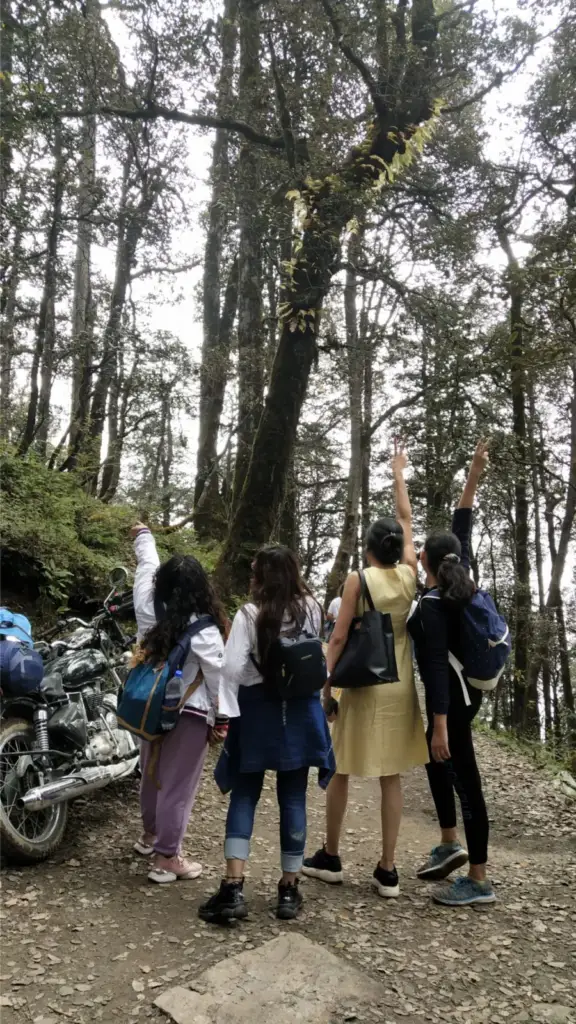
Before you ask for a quote, fix a realistic head count and a deadline for confirmations. Groups almost always shrink or grow in the last two weeks, and that changes vehicles and rooms.
- Name one coordinator on your side who collects payments, IDs and dietary needs.
- Collect the basics early: names as on ID, ages, phone numbers, emergency contacts and any medical conditions.
- Split big groups into sub-groups of 12 to 20 people, each with its own vehicle and point person. It makes head counts, meals and check-ins much faster.
Step 3: Choose the right transport
Most Himalayan group trips start from Delhi. You have two main choices:
- Overnight Volvo to the base town (for example Manali, Shimla or Dharamshala), then local vehicles. Good value for students and big groups.
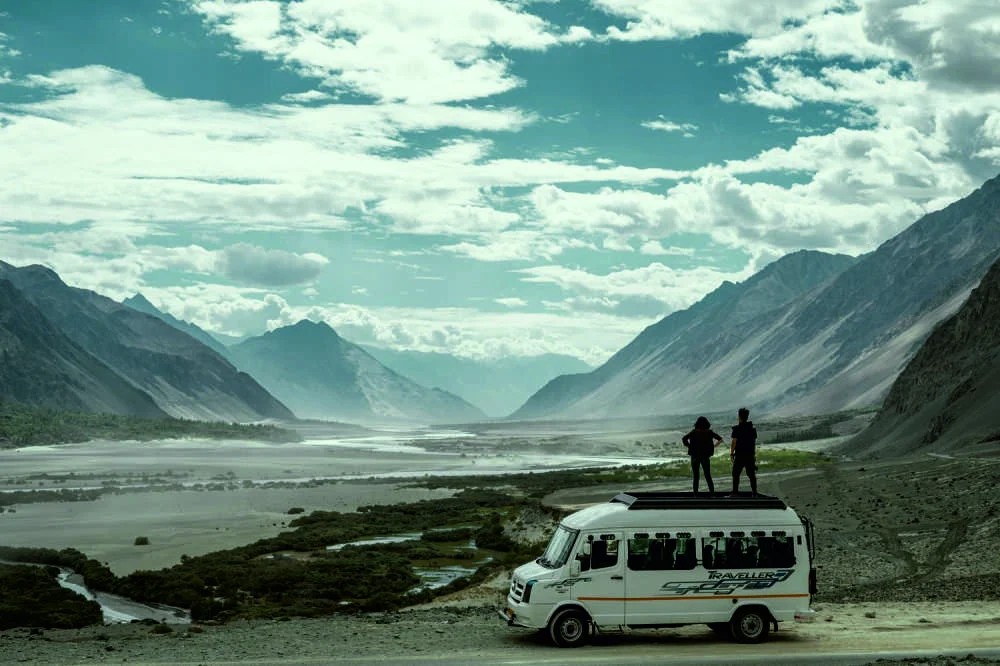
- Private tempo travellers from Delhi for the whole trip. More flexible, with luggage space and door-to-door pick-ups. Tempo travellers commonly come in configurations from about 12 to 26 seats.
Full-size buses work on main highways, but many mountain roads, villages and trailheads are only practical for smaller vehicles. For very large groups we often use several tempo travellers rather than one bus, so that every road on the route stays accessible. On routes like Spiti and Ladakh, experienced mountain drivers matter more than the vehicle itself.
Step 4: Plan stays that fit a crowd
Hill towns have many small properties, so large groups often stay across two or three hotels or homestays close to each other. Ask about:
- Room sharing (twin, triple or quad) and separate floors or blocks for students
- A common area for briefings, meals and evening gatherings
- Fixed meal menus with vegetarian and Jain options where needed
- Camps for trek groups: tents are usually twin or triple share
Step 5: Build safety into the plan
Safety is what separates a well-run group tour from a stressful one.
- Enough leaders: the bigger and younger the group, the more trip leaders and support staff you need. We add leaders as the group grows, with extra supervision for school and college groups.
- Know the altitude: treks above about 3,000 m need an acclimatisation plan. Keep an eye on anyone with a headache, nausea or breathlessness, and descend if symptoms get worse.
- Medical kit and oxygen: our treks include a first-aid kit and an oxygen cylinder, and our road trips carry oxygen and first-aid in the vehicle.
- Clear rules: brief the group on timings, no wandering off alone, no swimming in rivers, and no alcohol on treks.
- Check current rules: some trails, meadows and border areas have permits, camping restrictions or daily limits. We check the current rules for your route and dates.
- Weather buffers: keep at least one buffer day on longer mountain trips.
Step 6: Understand what drives the budget
Every group is priced differently, so there is no fixed rate card. The main cost factors are:
- Group size: vehicles and leaders are shared, so larger groups often spread these costs further.
- Dates: peak weekends, long holidays and snow season raise hotel and vehicle rates.
- Stay type: camps, homestays, standard hotels or premium resorts.
- Transport: Volvo plus local vehicles, or private tempo travellers for the whole trip.
- Activities: paragliding, river rafting, skiing, entry tickets and permits.
- Meals: breakfast and dinner only, or all meals.
Ask for a written quote that lists inclusions and exclusions clearly, and share it with the whole group before anyone pays.
How Mountain’s Greet plans group tours
We plan for every group size. Solo travellers can join our group departures; couples, families and friend groups get private trips; and we plan college and school tours, corporate offsites, clubs and pilgrimage groups, including groups of 50, 100 or more. For large groups we add trip leaders, arrange tempo travellers or buses, block rooms across nearby stays, and send one clear quote for the whole group.
Most trips start and end in Delhi, with an overnight Volvo or private vehicles to the base town, and some start in Manali, Chandigarh, Haridwar or Guwahati when the route makes sense. Our guides are local, our stays are homely, and every quote lists what is and is not included. Browse ideas on our itinerary page, see real trips in our gallery, or send your group details through the group trip enquiry form. If it is quicker, message us on WhatsApp with your head count, dates and starting city.
FAQs
What is the best Himalayan destination for a college group trip?
For short breaks, Triund or Kedarkantha in winter are popular with students. For longer summer breaks, Hampta Pass or a Spiti Valley road trip give more adventure. The right choice depends on your dates, budget and fitness.
Can you arrange a trip for 50 or 100 people?
Yes. For large groups we add trip leaders, use several tempo travellers or buses, spread the group across nearby stays and share one quote covering everyone.
Which vehicle is best for a Himalayan group tour?
Tempo travellers suit most mountain routes and usually come in configurations of about 12 to 26 seats. Buses work on main highways, but smaller vehicles are more practical on narrow roads and for reaching trailheads.
How far in advance should a group book?
Start at least six to eight weeks ahead for large groups, and earlier for peak dates like summer holidays, Christmas and New Year, when hotels and vehicles fill up fast.
How is a group tour priced?
Group trips are priced on enquiry. The cost depends on group size, dates, stay type, transport, activities and meals. We send a written quote with inclusions and exclusions listed.
Is a Himalayan trek safe for a school group?
Yes, if the route is easy and well supervised. Choose a low-altitude trail, add extra leaders, follow your school’s consent and medical policies, and keep flexible timings for weather.
More guides

6 Best Treks Near Delhi for Beginners: Weekend to 5-Day Trips
Six beginner-friendly Himalayan treks you can do from Delhi, with how to reach each base, the best season and how hard they really are.
Read the guide →
Kedarkantha Trek Guide: Itinerary, Best Time, Difficulty and Packing
Everything you need for the Kedarkantha trek: getting to Sankri from Delhi, the 5-day route, snow season, difficulty, permits and what to pack.
Read the guide →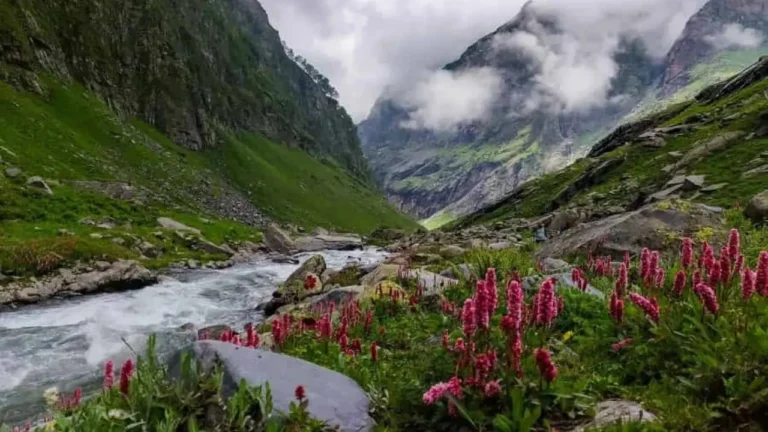
Hampta Pass Trek Guide: Manali Route, Chandratal and Best Months
Cross from green Kullu into stark Lahaul on the Hampta Pass trek. Route, Chandratal, best months, difficulty and how to reach Manali.
Read the guide →